
What is a polyaspartic garage floor coating?
Polyaspartic is a commercial-grade coating originally developed for industrial environments — bridge decks, warehouses, aircraft hangars. It bonds directly to concrete and cures into a thick, UV-stable, chemical-resistant surface that won't yellow, chalk, or delaminate the way epoxy does.
ProLux's system combines the best of two technologies. We start with a high-solids epoxy primer (~90%+ solids) that drives deep into the concrete pores for an aggressive mechanical bond, broadcast a full flake layer on top, then seal everything with a polyaspartic clear topcoat that's UV-stable, flexible, and roughly 4× the abrasion resistance of epoxy. Epoxy is the best bonding layer. Polyaspartic is the best topcoat. Using the right material at each layer is what makes it last.
How long will my garage floor coating last?
A professionally installed polyaspartic coating lasts 15–20+ years with normal residential use. The coating itself doesn't wear out under foot and vehicle traffic — failures almost always trace back to bad prep or the wrong product for the environment. ProLux is Colorado owner-operated with 15+ years working with surfaces, and we back every floor with a 20-year material warranty covering peeling, chipping, flaking, and UV yellowing — plus lifetime spot repairs if a localized issue ever comes up.
ProLux uses diamond grinding (not acid etching) to open up the concrete profile before coating. This mechanical bond is what separates a coating that lasts two decades from one that peels in two winters. We also test for moisture vapor transmission before we start — if your slab has a moisture problem, we address it first rather than coating over it and hoping for the best.
Is polyaspartic better than epoxy?
As a topcoat, yes — and it's not close. Epoxy is rigid, UV-sensitive, and needs warm temperatures to cure. In a state with 60-degree temperature swings in a single day, intense altitude UV, and magnesium chloride tracked in all winter, epoxy's weaknesses as a topcoat become failure points.
- UV resistance: Epoxy yellows and chalks within months at altitude. Polyaspartic is UV-stable — it won't discolor.
- Flexibility: Epoxy cracks when concrete shifts from freeze-thaw. Polyaspartic flexes with the slab.
- Chemical resistance: Mag chloride penetrates epoxy and destroys the bond. Polyaspartic resists it.
- Hot tire pickup: Epoxy softens under hot tires and peels away. Polyaspartic does not.
- Cure temperature: Epoxy requires 50°F+. Polyaspartic cures down to -20°F, so we can install year-round.
Epoxy does have one job it's excellent at — bonding to concrete. That's why ProLux uses a high-solids epoxy as the primer and polyaspartic as the topcoat, not the other way around.
Will the coating peel or chip over time?
Peeling is the #1 complaint in the floor coating industry — and roughly 80% of the time, it traces to one cause: inadequate surface preparation. Contractors who acid etch instead of diamond grind, or who skip moisture testing, are setting the coating up to fail.
ProLux diamond-grinds every floor to create a mechanical bond profile, tests for moisture vapor transmission, and applies a high-solids epoxy primer before the polyaspartic topcoat goes down. This three-step prep process is why our coatings stay bonded — the coating is only as good as what's underneath it. We back it with a 20-year material warranty against peeling, chipping, and flaking.
Will hot tires pull up the coating?
No. Hot tire pickup is an epoxy problem, not a polyaspartic problem. Epoxy softens at the temperatures that hot tires generate (140–160°F after highway driving), creating a suction effect that literally pulls the coating off the concrete.
Polyaspartic coatings remain stable at temperatures well above what any tire will reach. ProLux warranties against hot-tire pickup for 20 years. This is one of the main reasons the industry has moved toward polyaspartic for residential garages — hot tire pickup was the single most common epoxy complaint, and polyaspartic eliminates it entirely.
How long does installation take?
Standard residential garage: 2 days.
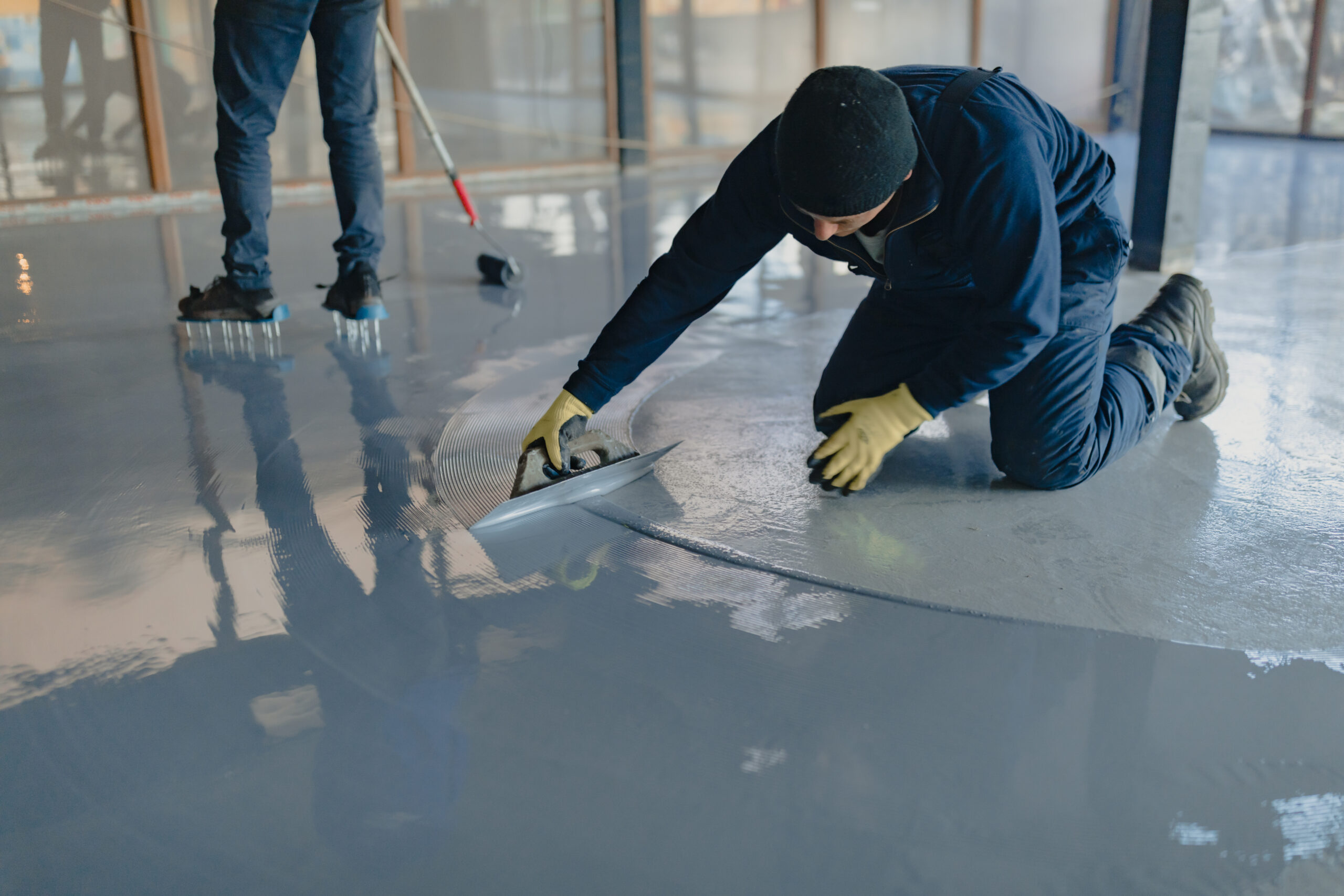
Day 1 — diamond-grind the concrete, repair cracks and pits, apply the high-solids epoxy primer, and broadcast the flake layer to rejection. Day 2 — clean the surface and lay down the polyaspartic clear topcoat.
We don't rush a one-day install just to move faster. The 24-hour gap between the primer and the topcoat is what gives us a flawless, fully-cured bond — it's the difference between a floor that lasts 15+ years and one that peels in two winters.
If you're adding garage wall texture and interior paint at the same time, plan on 3–4 days total depending on wall condition.
When can I park on my new floor?
You can walk on the floor with light foot traffic after 24 hours. For vehicles, please wait a full 48 hours before parking on the surface.
This is still significantly faster than epoxy, which typically requires 3–7 days before vehicle traffic. We'll give you a specific timeline on install day based on temperature and conditions — we won't give you a generic answer and leave you guessing.
Is the coating slippery when wet?
Not with the right finish. A plain glossy coating with water on it can be slippery — which is why ProLux broadcasts an anti-slip flake aggregate into every floor. The flake creates a textured surface that provides traction even when wet.
You can also choose your flake density — a heavier broadcast means more texture and grip. If your garage sees a lot of snow-melt and rain runoff (most Colorado garages do), we'll recommend a density that gives you solid traction without sacrificing the look. Our system is designed around Colorado weather.
Do you offer garage wall texture and interior paint?
Yes — as an optional add-on when you're coating the floor. If you're already updating your garage, we can texture and paint the interior walls at the same time to finish the space in one visit.
What's included:
- Surface prep and minor patching
- Professional wall texture application (if needed)
- Interior-grade paint designed for durability and cleanability
- A clean, uniform finish throughout the garage
Timeline: Projects that include wall texture and paint typically take 3–4 days, depending on the condition of the walls.
How much does a professional garage floor coating cost?
Professional garage floor coating pricing depends on prep and materials, not just the coating itself. Basic systems typically run $3–$5 per square foot. Mid-range options fall between $5–$7 per square foot. High-performance systems like ours start around $6 per square foot and go up from there.
In Colorado — where floors face intense altitude UV, 60° temperature swings, and mag-chloride tracked in all winter — most properly installed polyaspartic systems land in the $6–$12 per square foot range depending on concrete condition and the level of prep required. That works out to roughly $2,400–$5,000 for a standard 2-car garage.
A $100 DIY kit that fails in 2 years and costs $500+ to strip and redo is the more expensive option. ProLux provides a detailed quote after inspecting your floor — no ballpark guesses, no surprise upcharges on install day.
Why not just buy a DIY kit from the hardware store?
Because those kits have a roughly 30% failure rate within 1–3 years — and the failure isn't the kit's fault; it's the process. DIY kits come with acid etch prep (inadequate for creating a real bond profile), single-coat application (not enough thickness to resist wear), and epoxy used as the topcoat (which yellows, cracks, and peels under altitude UV and freeze-thaw).
When a DIY kit fails, you're not just out the $100–$500 you spent. You also have to pay to strip the failed coating before a professional can recoat — which adds $500–$1,000 to the job. The cheapest floor coating is the one you only have to do once.
What does your warranty actually cover?
This is the right question to ask, because most "lifetime warranties" in this industry are designed to deny claims, not honor them. Read the fine print on franchise warranties — most don't cover labor, exclude the most common failure modes, and require you to file claims with a corporate office that may not exist in 5 years.
Every ProLux floor comes with a 20-year material warranty against peeling, chipping, flaking, UV yellowing, and hot-tire pickup, plus 10-year stain and chemical protection against common automotive fluids. Installation labor is covered for one year, and we offer lifetime spot repairs for localized material defects — so your floor is protected well beyond the fine print. The warranty is one-time transferable when you sell your home, carrying its value forward into resale.
You'll get the full warranty terms in writing before you sign anything, because a warranty you can't read in advance isn't really a warranty.
Will this coating hold up to Colorado winters?
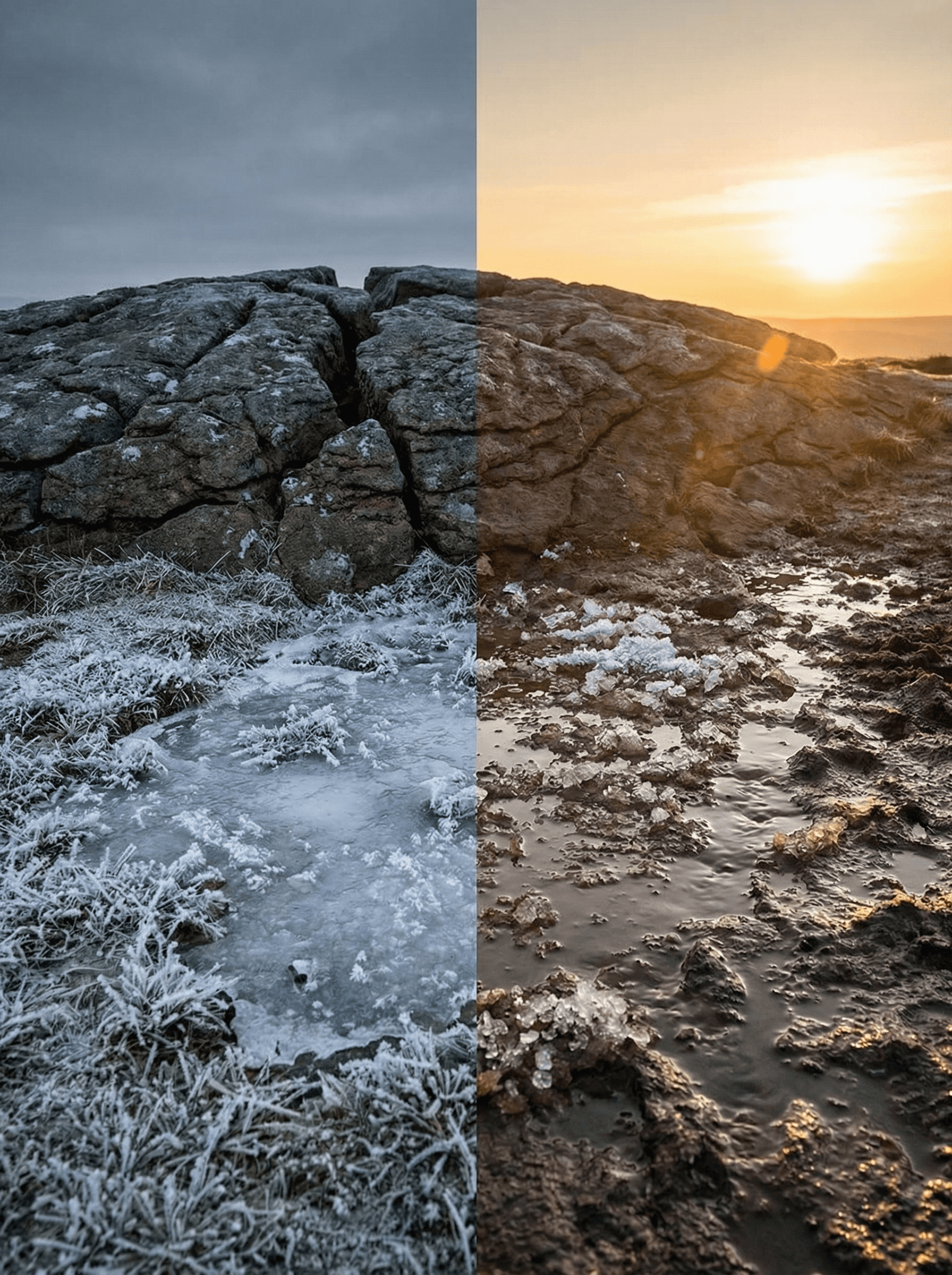
This is exactly why we use polyaspartic instead of epoxy. Colorado's freeze-thaw cycle is one of the harshest in the country — temperatures can swing 60°F in a single day, and your garage slab expands and contracts with every cycle. Rigid epoxy can't handle that movement and cracks. Polyaspartic has built-in flexibility that moves with the concrete.
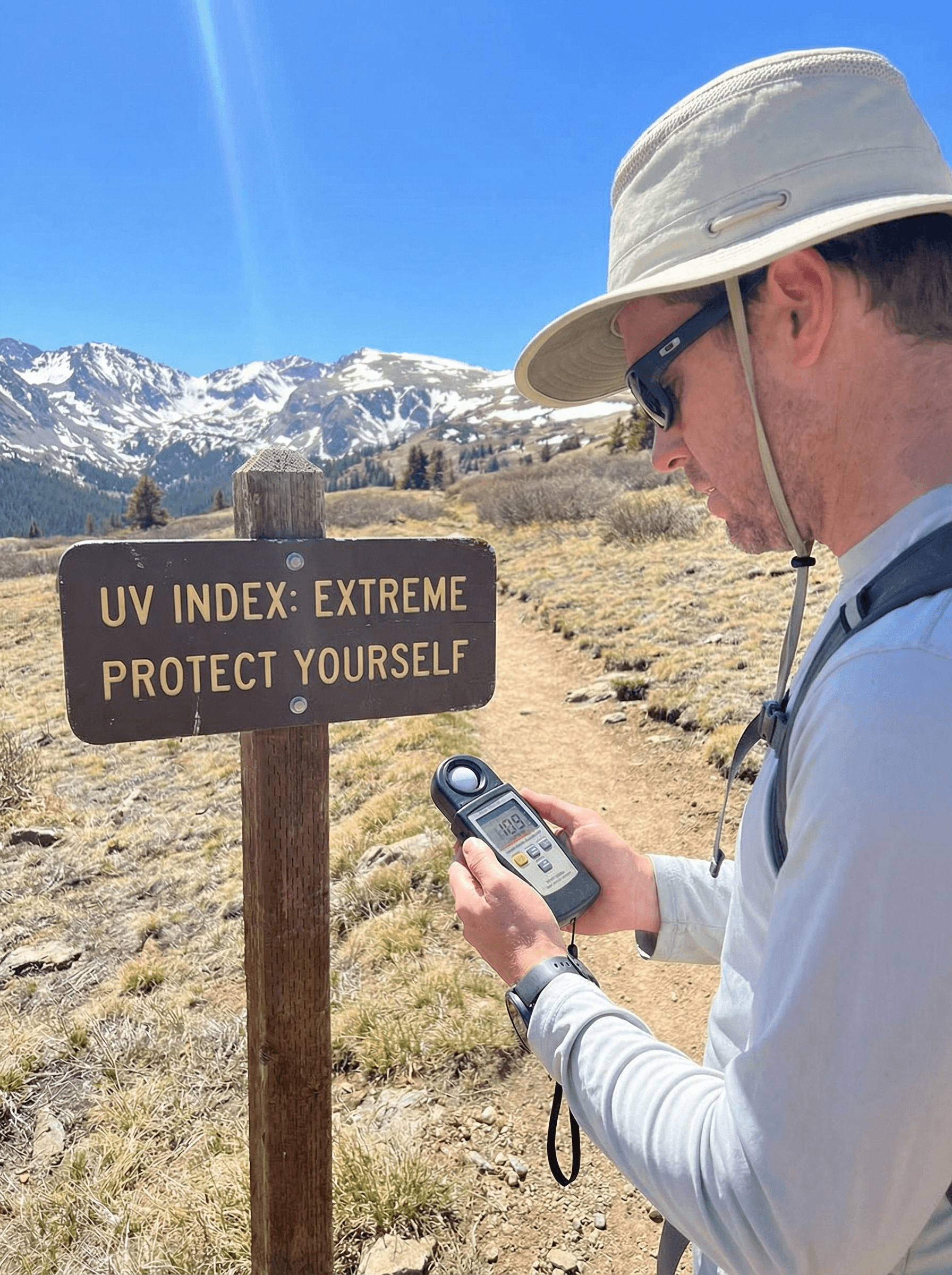
Add in UV intensity that's 25% higher at 5,280 feet (which yellows and chalks epoxy in months), and road chemicals tracked in on every tire all winter, and epoxy simply isn't rated for this environment. Polyaspartic was engineered for exactly these conditions — UV-stable, flexible, chemical-resistant, and installable down to -20°F so you're never waiting for a warm window to get your floor done.
What about magnesium chloride (road salt) damage?
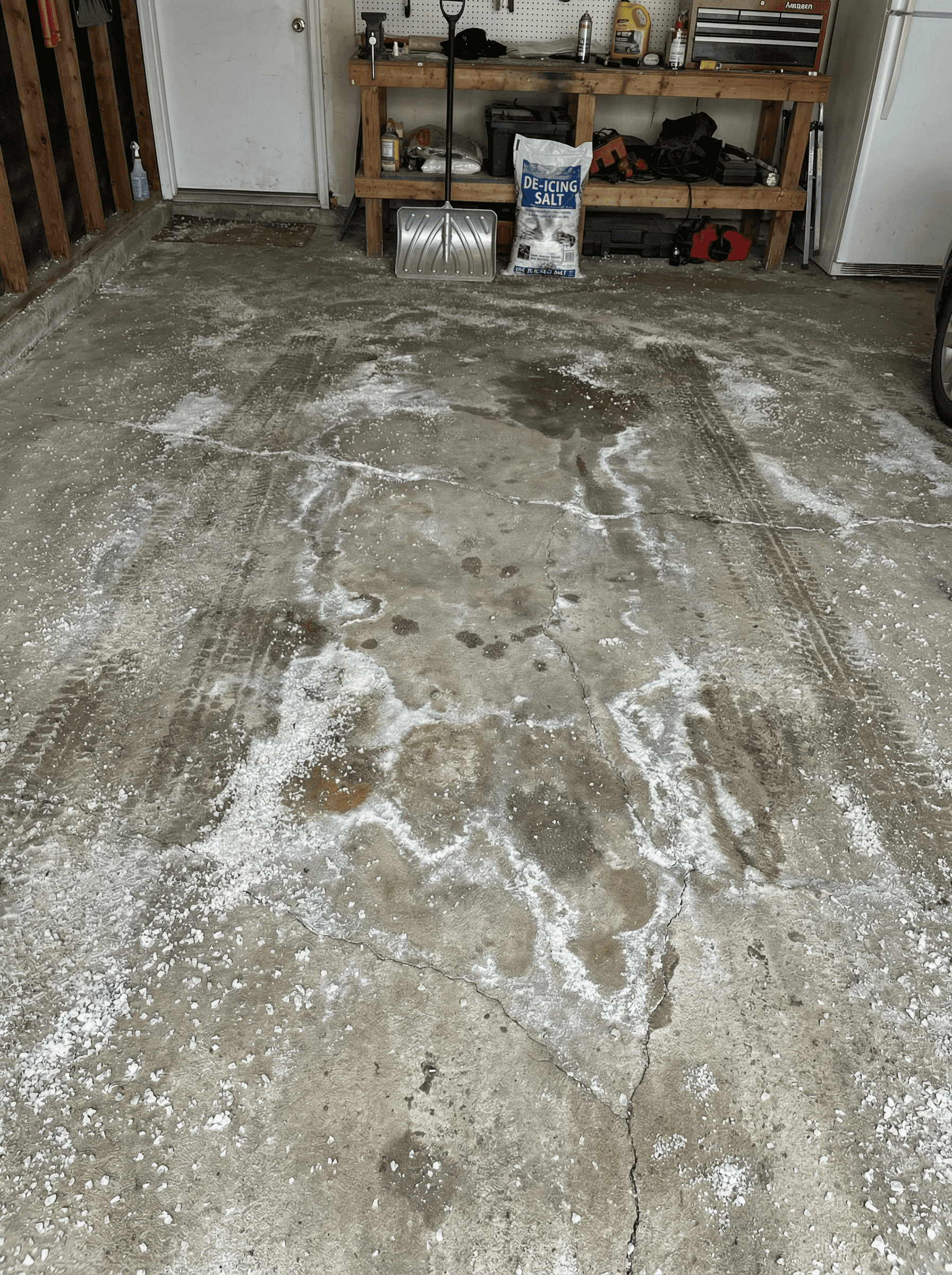
Magnesium chloride is the most destructive substance your garage floor sees, and most Colorado homeowners don't realize it. CDOT applies it to every major road from October through April. Your tires track it into the garage, it pools on the floor as snowmelt, and it goes to work.
On bare concrete, mag chloride accelerates spalling and surface breakdown. On epoxy topcoats, it penetrates and attacks the bond to the concrete — which is why so many epoxy floors in Colorado delaminate within a few winters. Polyaspartic's denser molecular structure resists mag chloride penetration. ProLux's sealed system keeps it on the surface where you can rinse it off, instead of letting it seep through and destroy the bond underneath.
My concrete has moisture issues — can it still be coated?
Often yes, but only if the moisture is addressed first. Moisture vapor transmission through the slab is the #1 cause of coating failure in Colorado. Snowmelt, irrigation, and a high water table push moisture up through the concrete — if you coat over it, the vapor pressure will push the coating right off from underneath.
ProLux tests every floor for moisture before we start. If levels are within acceptable range, we proceed with our standard system. If they're elevated, we apply a moisture-mitigating primer that allows vapor to pass through without breaking the bond. We'd rather tell you the floor needs extra prep than coat over a problem and come back in six months. That's how you end up with a floor that actually lasts in Colorado's conditions.
303-565-4500